Category Archives: family

Exploring Independence With Your Child

As parents, one of our key responsibilities is guiding our children as they develop independence. While it may feel natural to protect and assist them at every turn, encouraging independence is crucial for their growth, confidence, and future success. Children who are allowed to explore their autonomy tend to become more resilient, self-assured, and capable adults. Inspired by the practices of this private college in London, here are some strategies to help foster your child’s independence.

1. Start With Age-Appropriate Tasks

Children can begin learning independence from a very young age, but it’s important to start with age-appropriate tasks. For toddlers, this might mean letting them choose their own clothes or help with simple tasks like putting toys away. Older children can assist with household chores, such as setting the table or folding laundry. Assign tasks that allow them to practice decision-making and problem-solving while instilling a sense of responsibility. This builds their confidence and helps them understand that they are contributing to the family in a meaningful way.

independence

2. Encourage Problem-Solving

One of the best ways to foster independence is by encouraging your child to solve problems on their own. When they encounter a challenge, whether it’s a puzzle they’re trying to solve or an argument with a sibling, resist the urge to step in immediately. Ask open-ended questions like, “What do you think you could do to fix this?” or “What might happen if you tried a different way?” This empowers children to think critically and develop solutions, rather than relying on adults to resolve issues for them.

3. Allow for Mistakes

Independence comes with the risk of failure, and that’s okay. Allowing your child to make mistakes—and learn from them—is a vital part of growing up. When a child feels safe to make errors without fear of harsh consequences, they are more willing to try new things. Use mistakes as teaching moments, helping your child to reflect on what went wrong and how they might approach the situation differently in the future. This process builds resilience and teaches them that failure is a natural part of life.

4. Set Clear Boundaries and Expectations

While encouraging independence, it’s important to set clear boundaries and expectations. Children thrive when they understand the limits within which they can explore. Establish rules around important areas like safety, behaviour, and responsibilities. For example, you can allow your child to walk to school alone once they demonstrate they can follow safety guidelines. When children know what’s expected of them, they feel more secure in exercising their autonomy.

5. Offer Choices and Foster Decision-Making

One effective way to nurture independence is by offering your child choices. This could be as simple as letting them pick what snack they want or deciding what activity they’d like to do over the weekend. Offering choices gives children a sense of control over their lives and encourages them to weigh options, evaluate consequences, and make informed decisions. The more opportunities they have to practice making choices, the more adept they will become at making responsible decisions in the future.

6. Model Independence and Responsibility

Children learn a great deal by observing their parents and caregivers. Modelling independence, responsibility, and good decision-making in your daily life can be a powerful teaching tool. Show your child how you take care of yourself and your responsibilities—whether it’s managing your work, taking care of the household, or pursuing personal hobbies. Let them see that independence is not just a skill they need to learn, but a natural and important part of being an adult.

7. Celebrate Their Achievements

Finally, be sure to celebrate your child’s milestones and achievements as they grow more independent. Whether they’ve completed a task on their own for the first time or handled a problem without your help, acknowledging their efforts reinforces the value of independence. Positive reinforcement encourages children to continue building their autonomy and fosters a sense of pride in their abilities.

Fostering independence in your child is a gradual process, but with patience and consistency, you can help them develop the skills and confidence they need to navigate the world. By offering opportunities for growth, allowing mistakes, and providing guidance along the way, you can empower your child to become a self-reliant, capable individual who is ready to face life’s challenges with confidence and resilience.

How To Master The School Run

The school run can be one of the most hectic parts of the day for parents. Between ensuring everyone is dressed, fed, and out the door on time, it often feels like a mad dash. However, with a few smart strategies, the school run can be a more organised and less stressful experience. Here’s how to master it.

1. Prepare the Night Before

This prep school in Hertfordshire suggests that preparation is key to a smooth school run. The more you can do the night before, the easier your morning will be. Here’s a checklist to help you get ready:

  • Outfits Ready: Lay out the children’s outfits the night before. This includes uniforms, socks, shoes, and accessories. It eliminates the frantic search for a missing sock or shoe in the morning.
  • Packed Lunches: Prepare lunches or snacks the night before and store them in the fridge. You can also fill water bottles ahead of time.
  • Backpacks Packed: Ensure school bags are packed with homework, sports kits, and any other essentials. Double-check for any permission slips or forms that need to be signed.

A little evening preparation can drastically reduce morning stress.

2. Set a Realistic Morning Schedule

Mornings can be hectic if you’re pressed for time, so plan realistically. Set a schedule that allows for small delays while still giving you enough time to get everything done.

  • Wake Up Early: Wake up before your children to have a few minutes of quiet time. This can allow you to get organised, mentally prepare for the day, and enjoy a cup of coffee in peace.
  • Plan for Buffer Time: Always give yourself an extra 10-15 minutes beyond the expected departure time. This cushion helps account for last-minute hiccups, like a forgotten item or a bathroom emergency.

3. Create a Morning Routine

Establish a clear morning routine that everyone follows. Consistency helps kids know what’s expected and builds independence. Here’s an example:

  • Wake Up and Wash Up: Set a specific wake-up time for the kids. The first thing they should do is wash up and get dressed. By prioritising this, they’re less likely to run late.
  • Breakfast: After getting ready, everyone can sit down for breakfast together. Choose quick and easy breakfast options like cereal, yogurt, or pre-made smoothies.
  • Final Checklist: Create a “final check” routine where everyone ensures they have their backpacks, lunchboxes, and any other necessities.

school

4. Simplify Transport Logistics

Transportation can be a big stressor in the morning, whether you’re driving or walking. Here’s how to streamline your commute:

  • Carpooling: If you live near other families, consider setting up a carpool schedule. This reduces your daily load and gives you more free mornings.
  • Check Traffic: If you drive, check traffic or public transport schedules before leaving to avoid unexpected delays. Apps like Google Maps or Waze can help you find the fastest route.
  • Leave Early: If you walk or bike, leave early to account for slower-moving kids or unexpected stops.

5. Embrace Technology

Technology can be a huge help in organising your school run. Consider these digital tools:

  • Reminders and Alerts: Use phone alarms or smart home devices to remind kids when it’s time to leave or check that they’ve done all the morning tasks.
  • School Apps: Many schools have apps that let you track schedules, receive updates, and even inform the school of absences. Staying connected digitally saves time and confusion.

6. Stay Positive and Flexible

The best-laid plans can still go awry, so it’s important to stay positive. Children pick up on stress, so maintaining a calm attitude during the school run helps everyone feel more relaxed.

  • Stay Calm: If something goes wrong (e.g., a spilled breakfast or a missing homework sheet), try to stay calm and solve the issue quickly. Getting upset only adds to the stress.
  • Adjust as Needed: Sometimes routines need to change, especially with varying school schedules or extracurricular activities. Be flexible and adjust your routine as necessary.

Mastering the school run is about planning, routine, and patience. By preparing ahead, setting realistic schedules, and staying calm when things go wrong, you can transform chaotic mornings into smooth and efficient ones. A little preparation and the right mindset can make a huge difference in how you and your family start each day.

How To Combat School Stress

School stress is a common issue faced by students of all ages. With mounting academic pressure, social challenges, and extracurricular demands, it’s no wonder that students often feel overwhelmed. However, it is possible to manage and reduce this stress by incorporating healthy habits, coping mechanisms, and proper time management techniques. Here’s a guide on how to combat school stress effectively, inspired by the teachings of this prep school in Surrey.

1. Understand the Root of Your Stress

The first step in combating school stress is to identify the causes. Stress can stem from various sources—upcoming exams, a heavy workload, social pressures, or personal challenges. Take time to reflect on what’s contributing most to your stress. Is it the difficulty of the assignments? The volume of work? Pressure from peers or parents? Understanding where your stress is coming from allows you to address it more effectively.

2. Prioritise and Organise Your Tasks

A significant source of school stress is the overwhelming feeling of having too much to do and not enough time. This can be managed through prioritisation and organisation.

  • Make a to-do list: Write down everything you need to complete, from assignments to study sessions. Order them by deadline and importance.
  • Break tasks into smaller steps: Large projects can feel daunting. Break them into smaller, more manageable parts, and tackle them one at a time.
  • Use a planner: Keeping track of deadlines, exams, and other responsibilities in a planner helps reduce last-minute panic and keeps you on top of your schedule.

3. Practice Effective Time Management

Time management is a crucial skill in combating school stress. Developing a consistent study routine and avoiding procrastination can significantly reduce stress levels.

  • Set specific times for studying: Block out time in your day dedicated solely to studying. This helps create structure and ensures that you’re making consistent progress on your work.
  • Use the Pomodoro technique: Work for 25 minutes, then take a five-minute break. This method helps improve focus and productivity while giving your mind regular rest.
  • Avoid multitasking: Trying to juggle multiple tasks at once can lead to errors and increased stress. Focus on one task at a time for maximum efficiency.

4. Incorporate Stress-Relief Techniques

In addition to staying organised, incorporating regular stress-relief practices into your routine can significantly improve your mental health.

  • Mindfulness and meditation: Mindfulness exercises, such as deep breathing and meditation, can help calm your mind and reduce anxiety. Even spending just five minutes a day practicing mindfulness can make a difference.
  • Exercise regularly: Physical activity is a great way to relieve stress. Exercise releases endorphins, which boost your mood and help reduce feelings of stress.
  • Get enough sleep: Lack of sleep is a major contributor to school stress. Aim for 7-9 hours of sleep per night to ensure that you’re well-rested and able to function at your best.

stress

5. Maintain a Balanced Lifestyle

Maintaining a healthy balance between schoolwork and personal life is essential for reducing stress. Here are some key factors to consider:

  • Eat nutritious meals: Proper nutrition is important for mental and physical well-being. A balanced diet can help regulate your energy levels and improve your ability to concentrate.
  • Stay socially connected: Building a strong support network with friends and family can provide emotional relief and encouragement when you’re feeling stressed. Don’t isolate yourself when school feels overwhelming—talk to someone you trust about what you’re going through.
  • Take breaks: No one can work efficiently for hours on end without a break. Schedule regular breaks to relax and do something you enjoy, whether it’s reading, listening to music, or spending time with friends.

6. Ask for Help When Needed

You don’t have to deal with school stress alone. If you’re struggling, don’t hesitate to reach out for help.

  • Speak to teachers or school counsellors: They can provide guidance on managing your workload or offer extensions if needed.
  • Form study groups: Studying with peers can make schoolwork more manageable and less isolating.
  • Seek professional support: If school stress is severely affecting your mental health, consider talking to a therapist or counsellor who can help you develop coping strategies.

School stress is a normal part of academic life, but it doesn’t have to be overwhelming. By understanding your stressors, organising your workload, practicing time management, and maintaining a balanced lifestyle, you can effectively reduce school-related stress and improve your overall well-being. Don’t forget that asking for help when needed is a sign of strength, not weakness. With the right strategies, you can stay on top of your responsibilities while still enjoying the school experience.

5 Rainy Day Activities To Explore With Your Child

Rainy days can sometimes feel like a challenge for parents and children, especially when outdoor plans are disrupted. However, they also offer a wonderful opportunity to get creative, connect, and have fun together indoors. Whether your child is brimming with energy or in need of some quiet time, there’s an activity to suit their mood. Here are five engaging rainy day activities that are perfect for exploring with your child.

1. Indoor Obstacle Course Adventure

This independent school in Hertfordshire recommends transforming your living room or hallway into an indoor obstacle course and watching your child’s excitement soar. Use household items like pillows, chairs, blankets, and cushions to create tunnels, hurdles, and balance beams. Get creative by adding elements such as crawling under tables, jumping over pillows, or balancing on a tape line on the floor.

You can time your child as they complete the course, encouraging them to improve their time with each round. It’s a fantastic way to burn off energy while developing coordination and motor skills. You can even get involved and have a friendly competition with them!

2. Creative Arts and Crafts Station

Rainy days are perfect for setting up an arts and crafts station at home. Gather materials like paper, crayons, markers, glue, scissors, and any recyclable items you can find (old magazines, cardboard tubes, bottle caps, etc.). Encourage your child to let their imagination run wild. They can create anything from collages and paintings to homemade puppets or paper animals.

You can also introduce your child to new crafts such as making friendship bracelets, origami, or finger painting. Another fun idea is to make homemade playdough or slime, which can keep kids entertained for hours.

3. Baking Together in the Kitchen

There’s something cosy and comforting about baking on a rainy day, and it’s an excellent opportunity to teach your child some basic kitchen skills. Choose a simple recipe like cookies, muffins, or cupcakes that your child can help with. Let them mix ingredients, measure flour, pour batter, and even decorate the finished treats.

Not only is baking a fun bonding activity, but it also teaches children about maths (measuring ingredients), science (how ingredients react when combined), and following directions. Plus, you get to enjoy some delicious snacks at the end!

rainy

4. Indoor Treasure Hunt

If your child loves adventure, an indoor treasure hunt can be an exciting and engaging activity. Create a map or write out clues that lead your child from one hidden item to the next. The clues can be simple for younger children or more complex riddles for older ones.

You can hide toys, small prizes, or even themed items like pirate treasure (gold coins, jewels, etc.). This activity not only sparks your child’s imagination but also encourages problem-solving and critical thinking as they follow clues to reach the treasure.

5. Family Movie Marathon and Fort Building

When the rain just won’t let up, sometimes the best option is to cosy up indoors. Why not combine a movie marathon with a fort-building session? Grab some blankets, pillows, and chairs to construct a cosy fort in your living room. Once the fort is ready, pick out a selection of family-friendly movies or a fun TV series to binge-watch together.

You can even turn it into a themed marathon, such as watching all the classic Disney movies or a series of animated films. Bring in popcorn, hot cocoa, and snacks to complete the cosy atmosphere. This is a great way to relax, unwind, and enjoy some quality downtime together.

Rainy days don’t have to be dreary or dull. With a little creativity, they can become some of the most fun and memorable days spent with your child. Whether you’re embarking on an indoor adventure, crafting, or simply cuddling up with a movie, these activities offer a chance to bond, laugh, and make the most of your time together. So the next time the rain pours down, embrace it as an opportunity for discovery and joy.

How To Solve Picky Eating: Tips & Tricks For Your Child

Picky eating is a common challenge faced by many parents. It can be frustrating to see your child turn their nose up at food, especially when you’ve spent time preparing a nutritious meal. However, picky eating is often just a phase, and with the right strategies, you can encourage your child to develop a more varied and healthy diet. Below are some practical tips and tricks to help solve picky eating in children.

1. Create a Positive Mealtime Atmosphere

One of the most effective ways to combat picky eating is by establishing a positive and stress-free mealtime atmosphere. Avoid pressuring your child to eat, as this can lead to negative associations with food. Instead, create a calm and relaxed environment where mealtime becomes an enjoyable experience.

Try to make meals a family event, where everyone eats together without distractions like television or electronic devices. When your child sees others enjoying their food, they are more likely to feel encouraged to try new things themselves.

2. Offer Variety and Balance

Children often need exposure to new foods several times before they’ll be willing to try them. Like this independent school in Milton Keynes, offer a variety of foods, especially fruits and vegetables, at each meal. Even if your child rejects a new food the first time, try again later without making a big fuss.

When planning meals, aim for a balance of colours, textures, and flavours. Include familiar favourites alongside new or less-preferred foods. This way, your child will have something to eat while also being exposed to new options. Avoid labelling certain foods as “bad” or “good,” and instead focus on creating a balanced diet.

3. Get Your Child Involved in the Process

Involving your child in meal preparation can make them more interested in the food you serve. Let your child help with age-appropriate tasks, such as washing vegetables, stirring ingredients, or setting the table. When children take part in preparing meals, they feel a sense of ownership, and they may be more willing to taste the food they helped create.

You can also involve your child in grocery shopping and meal planning. Ask them to pick out a new fruit or vegetable they’d like to try, or let them choose between different meal options for the week.

4. Offer Healthy Snacks

If your child isn’t eating much at mealtime, offer healthy snacks throughout the day. Sometimes, children are just too distracted or tired during meals to focus on eating. Nutritious snacks, such as fruits, vegetables, yogurt, cheese, and whole grains, can help ensure they’re still getting essential nutrients.

Avoid using unhealthy snacks, like chips or sweets, as rewards or fillers. Doing so can reinforce poor eating habits and make it harder to encourage healthy eating at meal times.

5. Be Patient and Consistent

Dealing with a picky eater requires patience. It’s important to maintain consistency in offering new foods, even when faced with rejection. Resist the temptation to become a short-order cook, making separate meals for your child. Instead, focus on offering the same family meal, with at least one component you know your child likes.

picky

Don’t be discouraged by setbacks, as improvement takes time. Celebrate small victories, such as when your child tries a new food or takes a second bite of something they previously refused.

6. Avoid Using Food as a Reward

It’s common for parents to offer treats as rewards for eating healthy foods. However, this can backfire by teaching children that some foods are more desirable than others. Instead, encourage healthy eating for its own sake by praising your child for trying new foods and making positive food choices.

Use non-food rewards, such as extra playtime or a fun activity, to reinforce good behaviour rather than making dessert a prize for eating vegetables.

7. Model Healthy Eating Habits

Children are heavily influenced by the behaviours they see around them, so be a role model for healthy eating. If they see you enjoying a variety of foods and maintaining a balanced diet, they are more likely to follow suit. Avoid making negative comments about food, and instead demonstrate curiosity and enthusiasm for trying new dishes.

Picky eating is a normal part of childhood, but with patience and the right strategies, it’s possible to guide your child toward healthier eating habits. By creating a positive mealtime environment, offering variety, involving your child in the process, and modelling good behaviour, you can help them develop a more adventurous palate and a balanced diet. Remember, consistency and patience are key to overcoming picky eating.

Our pets deserve the best, just like us!

Just yesterday I wrote an article on the importance of self-care in our lives and today I want to touch on how the same should be done for our pets.
Viewing pet care through the lens of human self-care highlights the interconnectedness of our well-being with that of our animal companions. Just as we prioritize our physical and mental health, pets deserve the same attention to thrive.

Embracing this perspective fosters empathy, encouraging us to meet their needs for proper nutrition, exercise, grooming, and healthcare. Recognizing pets as valued members of our families emphasizes the importance of providing them with love, attention, and a nurturing environment. Ultimately, integrating pet care into our self-care regimen enhances both our lives and theirs, fostering a harmonious and fulfilling bond between humans and animals.

A good pet care routine is the cornerstone of ensuring the health, happiness, and longevity of our beloved animal companions. It encompasses various essential aspects, from providing nutritious meals to ensuring regular exercise, veterinary care, mental stimulation and grooming.

Grooming care for our beloved pets

Our pets deserve the very best and since they enrich our lives so much it’s our job to make sure we give them the best care we can. Colloidal silver holds promise in pet care products due to its antimicrobial properties. Its ability to inhibit the growth of bacteria, viruses, and fungi offers a natural solution for various pet health concerns.

Incorporating colloidal silver into pet care products such as shampoos, wound sprays, and ear cleaners can aid in combating infections, promoting wound healing, and soothing skin irritations. Moreover, its gentle nature makes it suitable for sensitive pets. By harnessing the benefits of colloidal silver, pet owners can support their furry companions’ health and well-being effectively and safely, offering a holistic approach to pet care. There are a number of places that you buy colloidal silver pet care products so finding a good product that works for you and your pet is a must.

pets
The best nutrition

Nutrition stands as the foundation of pet health. A balanced diet tailored to the specific needs of the animal species, breed, age, and health condition is vital. Fresh water should always be readily available. Nutrition is paramount to the health of our pets, influencing every aspect of their well-being.

A balanced and appropriate diet provides essential nutrients, supporting their immune system, energy levels, and organ function. Proper nutrition contributes to a lustrous coat, healthy skin, and strong bones, ensuring a longer and more active life. Moreover, tailored diets cater to specific breeds, sizes, and life stages, addressing individual health needs. Preventing obesity and related issues, a well-rounded nutritional approach helps ward off ailments and enhances the overall quality of life for our animal companions. In essence, nutrition is the cornerstone of a vibrant and thriving pet.

A healthy and fun balance

Exercise and play are essential components of a pet’s care regimen, offering numerous physical and mental benefits. Regular activity helps maintain a healthy weight, strengthens muscles and joints, and improves cardiovascular health, reducing the risk of obesity and related illnesses. Engaging in play also provides mental stimulation, preventing boredom and destructive behaviors while promoting cognitive development and problem-solving skills.

Furthermore, interactive play sessions strengthen the bond between pets and their owners, fostering trust and companionship. Whether it’s a game of fetch, a walk in the park, or puzzle toys, incorporating exercise and play into a pet’s routine is vital for their overall well-being and happiness.

Routine veterinary check-ups are crucial for early detection and prevention of illnesses. Vaccinations, parasite control, dental exams, and spaying/neutering contribute to their overall well-being. Finally, love, attention, and companionship are fundamental to a pet’s happiness. Spending quality time with them strengthens the bond and ensures they feel cherished and secure in their home environment.

Fresh Perspectives: Embracing Outdoor Play for Holistic Child Growth 

Introduction: Rediscovering the Joy of Outdoor Play

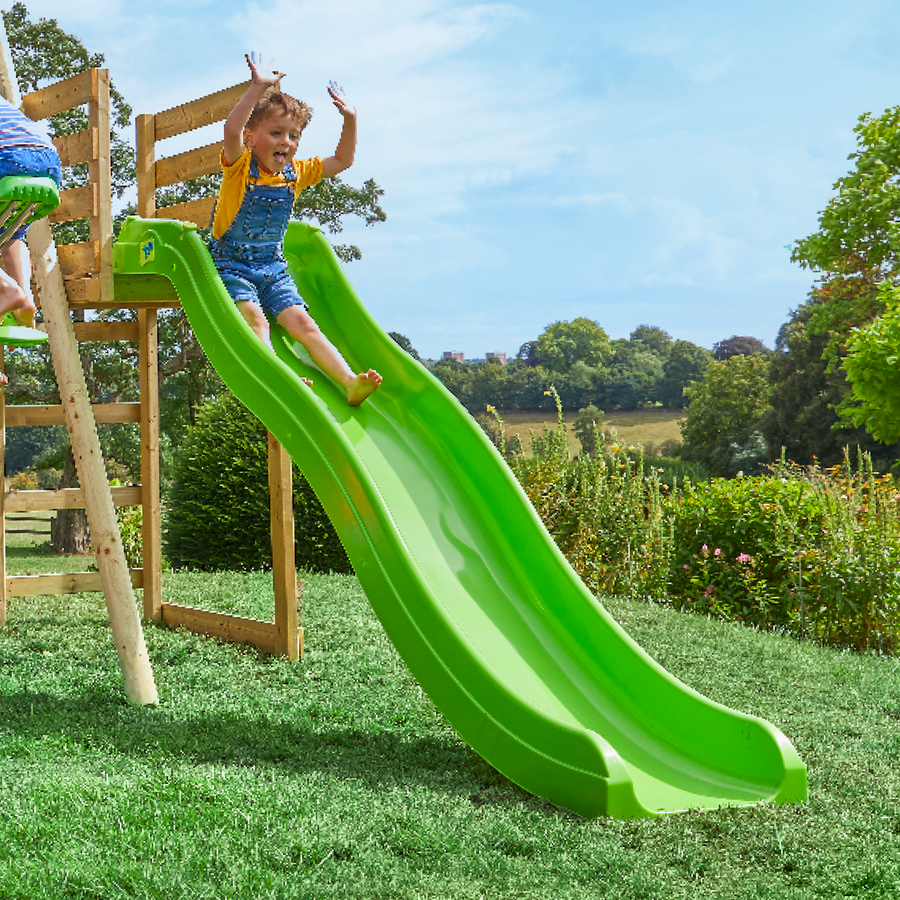
In our fast-paced digital age, the allure of outdoor play often gets overshadowed by screens and virtual entertainment. Yet, the call of the wild, the joy of a swing, the thrill of a climb, and the laughter on Slide Bodies beckon children to explore, learn, and grow in nature’s grand playground. It’s time we rediscover and embrace outdoor play for the treasure it is. 

child at play

Encouraging Creativity and Problem Solving 

Outdoor play offers an unlimited canvas for the imagination. Children can build forts, navigate obstacle courses with Slide Steps, or create imaginary worlds, developing creativity and problem-solving skills. 

Physical Development: More Than Just Exercise 

Physical activities like climbing, running, and jumping not only promote muscle development but also enhance coordination, balance, and endurance. Outdoor play lays the foundation for lifelong fitness habits. 

The Great Outdoors and Mental Well-being 

Nature’s calming effect works wonders on children’s mental well-being. The sounds, sights, and smells of nature can reduce stress and anxiety, fostering tranquillity and happiness. 

Inclusivity in Play: Every Child Deserves to Play 

Inclusive playgrounds with adaptive equipment and well-trained caregivers ensure that every child, regardless of their physical or developmental abilities, enjoys the benefits of outdoor play. 

Outdoor Play Across Cultures: A Global Perspective 

Different cultures around the world emphasise outdoor play, adapting to their unique environments and traditions. From forest schools in Europe to community playgrounds in the Americas, the universal language of play resonates globally. 

Parental Involvement: Play Begins at Home 

Parents play a crucial role in encouraging outdoor play. Regular family outings, garden play, or even simple park visits create lasting bonds and enrich childhood memories. 

Schools and Outdoor Learning: A Natural Classroom 

Educational institutions are recognising the importance of outdoor play in curriculum design. Open-air classrooms, garden projects, or nature walks deepen understanding and foster hands-on learning. 

Seasonal Play: Exploring Nature’s Cycle 

Seasonal changes provide diverse experiences, from spring blossoms to winter snowfalls. Embracing seasonal play broadens children’s perspectives and enriches their connection with nature. 

The Environmental Connection: Play and Stewardship 

Playgrounds and outdoor activities are perfect avenues to teach children about environmental conservation. Sensible choices in play equipment, conservation lessons, and respect for nature all contribute to nurturing responsible citizens. 

Adventure Playgrounds: The New Frontier 

Unstructured and innovative adventure playgrounds empower children to design their play, manage risks, and explore without limitations. 

Technology Integration: The Best of Both Worlds 

Modern technology is not just confined to indoor entertainment. Educational apps that guide outdoor treasure hunts, smart playgrounds that blend physical play with digital games, and tools like augmented reality can create captivating outdoor learning experiences. 

Dressing Professionally on a Budget as a Teacher

Dressing professionally can help create a positive learning environment. As a teacher, when we dress well, we convey a sense of order and discipline, which can influence our students’ behavior and attitude towards learning. It sets the tone for the classroom and can inspire students to take their studies more seriously. Dressing professionally also helps to build a positive relationship with parents and colleagues, as it shows that we are dedicated professionals who value our profession.

teacher shirt

Dressing professionally as a teacher doesn’t have to break the bank. Here are some tips for dressing professionally on a budget:

  • Shop sales and discounts: Keep an eye out for sales and discounts at your favorite stores. Many retailers offer seasonal sales or clearance events where you can find professional clothing including tops for teachers at a fraction of the original price.
  • Thrift stores and consignment shops: Explore thrift stores and consignment shops in your area. You may be surprised to find high-quality, professional clothing at affordable prices. Don’t be afraid to mix and match pieces to create unique outfits.
  • Invest in versatile pieces: Instead of buying multiple trendy items, focus on investing in versatile pieces that can be mixed and matched to create different outfits. A well-fitting blazer, a classic pair of trousers, and a few quality blouses can go a long way in building a professional wardrobe.
  • Take advantage of online shopping: Online shopping offers a wide range of options at various price points. Take advantage of online retailers and compare prices before making a purchase. Read reviews and check the sizing charts to ensure you make the right choice.
  • Accessorize strategically: Accessories can transform a simple outfit and make it look more polished. Having a good bag is important to carry everything you need for a day teaching and even carrying your lunch so getting a sturdy and fashionable teachers bag is a must, Invest in a few statement accessories, such as a belt, a watch, or a statement necklace, to elevate your professional look without breaking the bank.
teacher bag

By being mindful of your budget and exploring different shopping options, you can build a professional wardrobe without spending a fortune.

Creating a Professional Wardrobe for a Teacher

Building a professional wardrobe requires careful planning and consideration. Here are some steps to help you create a professional wardrobe:

  • Assess your current wardrobe: Begin by assessing your current wardrobe and identifying any gaps or items that need to be replaced. Take note of the basics that you already have, such as blouses, trousers, and skirts.
  • Invest in essentials: Start by investing in essential items that form the foundation of your wardrobe. These may include a tailored blazer, a classic white blouse, a pair of well-fitting trousers, and a knee-length skirt. Focus on quality rather than quantity.
  • Mix and match: Opt for pieces that can be easily mixed and matched to create different outfits. This allows you to maximize your wardrobe and create a variety of looks without needing a large number of items.
  • Consider your personal style: While it is important to dress professionally, it is also important to embrace your personal style. Choose clothing that reflects your personality and makes you feel confident and comfortable.
  • Organize your wardrobe: Keep your wardrobe organized and clutter-free. Arrange your clothing by category and color to make it easier to find what you need each morning. Regularly declutter and donate items that you no longer wear.

By following these steps, you can create a professional wardrobe that is tailored to your personal style and meets the requirements of your job as a teacher.

It’s Christmas. 5 free fun things to do

Free is everyone’s favourite word, especially now with the cost of living so high and Christmas just three weeks away. My family and I have been trying to think of some fun things to do that will cost very little, or even better nothing.

The Christmas Market

I would be crazy not to mention the Christmas markets. They are absolutely beautiful and fun for all the family, I especially like the fact that it can cost as much or as little as works for you. There is so much to see and such a lovely festive spirit in the air that is a great way to spent an afternoon, enjoying the company, seeing all of the displays and soaking in all the joy around you. There are so many that run each year that you shouldn’t have to travel far to take advantage of your nearest one.

christmas market
Christmas market
A Night Carolling

Clear your throat and have a sing song for Christmas. I’m a Londoner and if you’re local you can pop down to Trafalgar Square with friends or family and join in for the weekly carol singing, Starting on the 9th and running all the way up to Christmas eve.

There will be a huge tree which 40 singing groups will gather to sing around for an hour at a time. You can go along to watch if you don’t feel like joining in, and if you REALLY want to get involved you can sign your singing group up to perform on one of the days. Carol singing is becoming less common so it would really be a nice event to visit if you enjoy music and the Xmas spirit.

A Cosy Night In

This time of year its usually really cold out so as much as outdoor activities are a lot of fun I wanted to include some things to do in the warmth that won’t cost anything. Doing something as simple as everyone grabbing a blanket and having a Christmas movie night with friends or the family is a great way to spend a day. You can do marshmallow hot chocolates with the kids, everyone get in their jammies and have a Christmas movie marathon.

Xmas girls night

Or if you fancy a girls night you can do movies, a gift exchange, a few drinks and have everyone bring some xmas themed foods. There are so many great ways to have a themed get together and creating amazing memories without spending any money.

A Pantomime at home

Christmas is a time of year when we enjoy spending time with family so it’s nice to have an excuse to gather everyone around at home, it doesn’t cost anything and you can make it as big as you like. A nice way to do it would be to put on a pantomime, decorate your home to set the scene, you can get the whole family involved or let the kids take charge but you can send out invitations (or texts) to the whole family to come round and watch the performance. You can cook a big meal or ask everyone to bring a little something from their house and have a bit of a mix and match dinner.

You can be Santa

What better way to enjoy the run up to Christmas than to make the rounds and hand deliver all your gifts. It’s an opportunity to spend time with a few different households. It’s a really nice way to spend some time with the people you may not see on the actual day and it’s so much more personal than sending them through the post especially if they don’t live too far away.

Whatever you decide to do in the run up to the big day, have fun, take pics and make memories. When you feel like everything costs a fortune remember all the important fun things won’t cost you anything.

BRING THE PLAYGROUND FUN HOME

The school holidays are now over and things will start returning back to normal with the kids out of the house during the day. Everyone can start getting back into a routine.

Many people use the school summer holidays to pack in as many fun activities as they can for their children. Having fun activities to do keeps children entertained and wears them out ready for a quiet evening after returning home from the playground. 

Continue reading BRING THE PLAYGROUND FUN HOME