

Open days are designed to impress. Fresh paint, beaming staff, a corridor display that went up the night before. None of this is dishonest, but it is curated. The real character of a school lives in the ordinary Tuesday afternoons you never get to see. So how do you look past the showcase and judge what daily life would actually feel like for your child? Here is a practical sequence to work through.
Step one: decide what you are measuring before you arrive
Walk in with a short list of what matters most to your family. Pastoral care, class sizes, the approach to homework, how the school handles a child who finds reading hard. If you don’t define your priorities first, the atmosphere of the day will define them for you. Write three or four questions down and resist the urge to be swept along by the tour.
Step two: watch the children, not the adults
Staff are prepared for open days. Pupils are not, at least not in the same way. Notice how children speak to each other in the corridors and whether they look relaxed around teachers. Do older pupils hold doors for younger ones without being told? These small, unscripted moments reveal far more about the culture than any prospectus.
Step three: ask the questions that don’t have a rehearsed answer
Anyone can tell you about results and facilities. Instead, try asking what happens when a child is struggling, how friendship fallings-out are handled, or what a typical lunchtime looks like. Ask what the school is working to improve this year. A thoughtful, specific reply suggests genuine reflection. A vague one tells you something too.
Step four: pay attention to the edges
The headline spaces are easy to polish. The honest picture sits at the margins: the cloakrooms, the library stock, the condition of the playground equipment, the artwork on the walls that nobody curated for visitors. Independent schools that genuinely invest in the whole child tend to show it in these quieter corners, which is one reason many families end up looking closely at a nurturing prep school in Surrey where the everyday environment matches the promises made at the gate. If you can, request a second visit on a normal school day.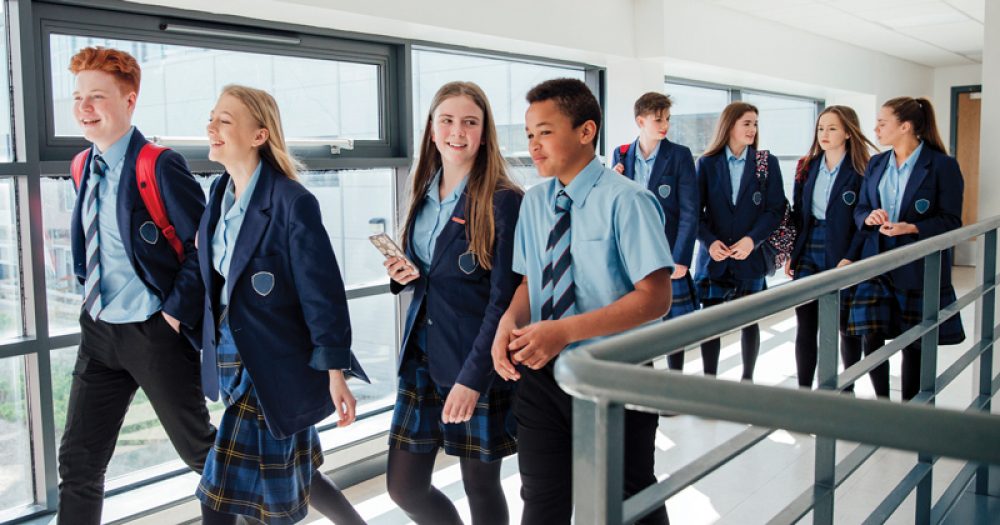
Step five: trust the conversation over the brochure
A good school will happily let you talk to current parents and, where appropriate, to pupils. Listen for consistency. If three different families describe the same warmth, the same communication, the same sense that staff actually know their children by name, that pattern is worth more than any glossy figure. Schools such as Banstead Preparatory School place real weight on knowing each child as an individual, and that is the kind of claim you can test simply by asking the people who live it.
Step six: picture the end, not just the start
It is easy to choose a school for the child you have today. The better question is whether it will suit the child they are becoming. Ask how the school prepares pupils for their next stage, how it stretches those who are ahead, and how it supports those who need more time. The answer should feel considered rather than reassuring for its own sake.
A final word on instinct
After all the questions, give weight to how the place made you feel. Could you imagine your child walking in happily on a wet Monday morning? That instinct, combined with the practical checks above, is usually a reliable guide. Take your time, visit more than once, and remember that the right school is the one that fits your child rather than the one with the busiest open day. You can explore more about one such setting at https://bansteadprep.com.