

Navigating what to wear to work can be a challenge, especially when dressing for different industries. Each field has its own standards, but there’s always room for personality and practicality to shine through. In this guide, we’ll explore what to wear to work across a range of sectors, including education (with a focus on teacher shirts, teacher clothes, and teacher sweatshirts), corporate environments, creative fields, healthcare, and more.
What to Wear to Work

1. Dressing for Teaching: Practical and Professional
Teachers have the demanding task of combining professionalism with comfort, as they often spend hours on their feet and need versatile clothing that adapts to varied tasks. Here’s how to put together a wardrobe that works for every classroom scenario.
- Teacher Shirts: Opt for stylish but practical button-down shirts, blouses, or polo shirts. Consider patterns and colours that show your personality but remain professional. Breathable fabrics like cotton and blends that resist wrinkles are ideal.
- Teacher Clothes: Pair your shirts with trousers, skirts, or smart jeans, depending on the school’s dress code. Comfortable footwear, such as flats or low-heeled boots, is essential for long days. Layering pieces like cardigans add warmth and flexibility.
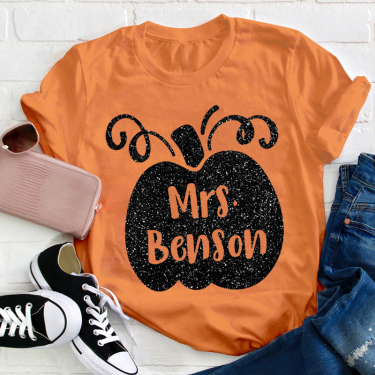
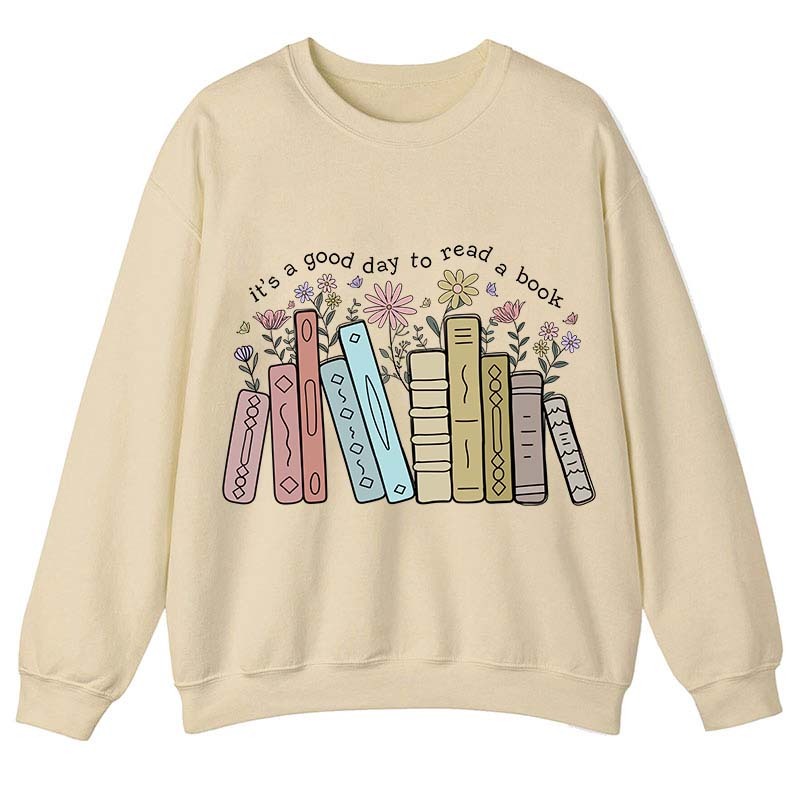
- Teacher Sweatshirts: Many educators appreciate adding a touch of personality with teacher sweatshirts. Whether adorned with educational slogans, fun graphics, or subtle patterns, these can be both cosy and classroom-appropriate during cooler months.
2. Corporate and Business Attire
For those working in a corporate setting, a polished, formal appearance is often expected. However, there are ways to balance classic business attire with personal flair.
- Suits and Blazers: In more traditional offices, suits or tailored separates such as blazers and trousers or skirts remain the norm. Opt for neutral tones like navy, grey, or black for a timeless look, but don’t be afraid to introduce subtle patterns or accents like ties, scarves, or jewellery.
- Business Casual: For workplaces with a more relaxed dress code, smart trousers or chinos paired with blouses, knitwear, or button-down shirts create a polished appearance without the need for a suit.
- Footwear: Shoes should be polished and well-maintained. Classic styles such as brogues, loafers, or low-heeled pumps work well.
3. Creative Industries: Expressive and Versatile
Working in creative industries allows for more personal expression while maintaining a professional image. Think stylish, functional, and flexible clothing choices.
- Creative Workwear: Choose unique but professional pieces such as tailored trousers with statement tops, printed dresses, or layered looks with textures like leather and knits.
- Accessories: Experiment with scarves, bold jewellery, or statement footwear. Creativity can also come through in your choice of colour palette, prints, or patterns.
- Casual with Flair: Many creative workplaces are more casual, so jeans or trendy trousers paired with sleek trainers or loafers might be common. However, it’s best to know the specific vibe of your workplace.
4. Healthcare Professionals: Comfort and Cleanliness
Healthcare settings have strict requirements for cleanliness and comfort, as professionals need to move freely and maintain hygiene standards.
- Scrubs and Uniforms: In most healthcare settings, scrubs or uniforms are mandatory. Investing in high-quality, well-fitting scrubs can enhance comfort during long shifts.
- Footwear: Supportive, non-slip shoes are critical, as healthcare workers are often on their feet. Trainers or professional clogs are popular choices.
- Layers: Lightweight undershirts or long-sleeved tops that fit under scrubs add warmth without compromising mobility.
5. Retail and Customer Service: Approachable and Neat
Retail and customer service roles demand a combination of style, practicality, and approachability, often shaped by company dress codes.
- Uniforms or Dress Codes: Many retail roles come with specific uniforms or dress guidelines. When freedom is allowed, opt for clothing that’s neat, clean, and well-maintained.
- Comfort and Style: Ensure footwear is comfortable for extended periods of standing or walking. Smart jeans, blouses, and polo shirts often strike the right balance between comfort and professionalism.
- Accessories: In retail, subtle jewellery or hair accessories can add a polished touch without being overwhelming.
Final Thoughts
Each industry has its own standards for workplace attire, but it’s always possible to incorporate personal style while respecting professional norms. Teachers might find balance with practical yet expressive clothing like teacher shirts and sweatshirts, while corporate professionals can keep it classic yet distinctive with tailored pieces. No matter the industry, your wardrobe should support both your work needs and individual expression. After all, the right outfit can boost both confidence and productivity.