

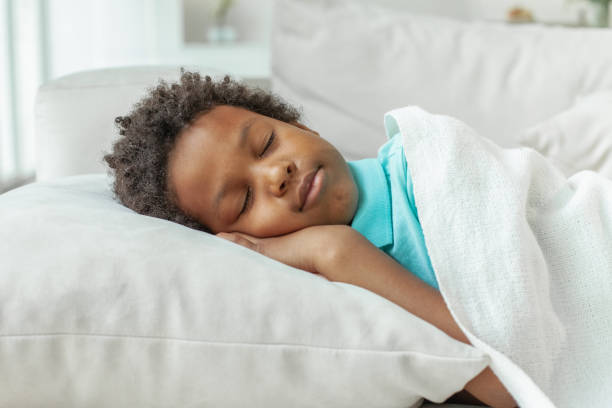
Sleep is a vital part of every child’s growth and development, yet it is often overlooked in today’s busy, screen-filled world. From boosting brain power to supporting physical growth, getting enough rest is just as important as eating well and exercising regularly. Here’s why sleep is so essential for children, and what parents can do to encourage healthier bedtime routines.
Supports Healthy Growth and Development
This independent school in Kent suggests that sleep is when the body gets to work on growth and repair. For children, this is especially important as their bodies are constantly developing. During deep sleep, the body releases growth hormones that help build muscle, strengthen bones, and repair tissues. Without enough rest, a child’s physical development can be affected, making it harder for them to stay active and healthy.
Boosts Brain Function and Learning
A well-rested brain is more alert, focused, and ready to absorb new information. Children who get enough sleep often perform better in school, as sleep helps consolidate memories and improve problem-solving skills. On the other hand, lack of sleep can lead to difficulty concentrating, reduced attention span, and lower academic performance. A consistent bedtime routine gives children the best chance to succeed in learning and creativity.
Strengthens the Immune System
Just like adults, young people are more likely to catch colds or infections if they don’t sleep well. Sleep allows the body to produce proteins called cytokines, which help fight off illness and reduce inflammation. By ensuring children get adequate rest, parents can help strengthen their immune systems and support long-term health.
Regulates Emotions and Behaviour
Sleep has a powerful impact on mood and emotional well-being. Kids who don’t get enough sleep may be more irritable, prone to tantrums, or struggle to manage their emotions. Poor sleep is also linked to behavioural problems, such as hyperactivity and impulsiveness. On the other hand, children who sleep well are generally calmer, happier, and better able to handle challenges during the day.
Helps Build Healthy Habits for Life
Teaching young people the importance of sleep early on helps them develop positive routines that can last into adulthood. Simple steps, such as keeping a regular bedtime, limiting screen time before bed, and creating a calming bedtime ritual, all contribute to better sleep hygiene. When children learn the value of good rest, they are more likely to carry these habits with them as they grow.
How Much Sleep Do Children Need?
The amount of sleep kids need depends on their age:
- Toddlers (1–2 years): 11–14 hours
- Pre-schoolers (3–5 years): 10–13 hours
- School-age children (6–12 years): 9–12 hours
- Teenagers (13–18 years): 8–10 hours
Ensuring offspring fall within these ranges will give them the energy and focus they need to thrive.
Sleep is far more than just rest – it is a foundation for growth, learning, and overall well-being. By prioritising healthy sleep routines, parents can help their children feel energised, focused, and ready to take on each new day. After all, a good night’s sleep today sets the stage for a brighter tomorrow.