

Encouraging your child’s interest in STEM (Science, Technology, Engineering, and Mathematics) can unlock a world of possibilities. These subjects nurture curiosity, critical thinking, and problem-solving skills, preparing them for a future filled with exciting opportunities. Whether your child dreams of becoming a scientist, engineer, or programmer, introducing STEM early on can lay a strong foundation for their success. Continue reading Exploring STEM Subjects With Your Child
Tag Archives: education

The Benefit of skills in Arts & Crafts For Children
Arts and crafts are more than just fun activities to keep children entertained. They play a crucial role in a child’s development, fostering creativity, improving fine motor skills, and building confidence. Below, inspired by the teachings of this private school in Surrey, we explore the many benefits of arts and crafts for children.
Encourages Creativity
Engaging in arts and crafts allows children to think outside the box and express themselves in unique ways. Whether it’s painting, drawing, or creating a sculpture, these activities give kids the freedom to explore their imagination. This unstructured creative time is essential for cognitive growth and problem-solving skills, as children learn to experiment with different materials and ideas. Continue reading The Benefit of skills in Arts & Crafts For Children
Ways To Support Your Child Learning A New Language
Supporting your child in learning a new language is a rewarding experience that fosters cognitive development, cultural awareness, and communication skills. Even if you’re not fluent in the target language, there are many ways you can help your child succeed and enjoy the journey of language learning. Here are some practical tips to guide you, inspired by the teachings of this private school in Cambridge.
1. Make Language Learning Fun and Interactive
Children learn best when they’re having fun, so incorporate games, music, and interactive activities. Flashcards, language apps, and online games that reinforce vocabulary and grammar can be enjoyable while providing valuable practice. Sing songs or listen to music in the target language, as this can help with pronunciation and retention. There are also many language-specific shows and cartoons that can make learning more engaging.

2. Create a Language-Rich Environment
Surround your child with the new language at home. Label items in your home with sticky notes in the target language to reinforce vocabulary. Consider dedicating a part of the day to speaking only in the new language, even if it’s just a few minutes. This exposure allows children to build confidence and become more comfortable with the language in a familiar environment.
3. Encourage Practice with Native Speakers
If possible, provide opportunities for your child to speak with native speakers. This can be through virtual exchanges, local language meet-ups, or language exchange programs in your community. Practicing with native speakers helps your child learn authentic pronunciation, intonation, and common phrases, enhancing their language skills in a way that goes beyond textbooks.
4. Be Patient and Celebrate Small Wins
Learning a new language takes time, so patience is key. Celebrate your child’s progress, no matter how small it may seem. Recognise their achievements, such as mastering a new word or successfully completing a conversation, to help build their confidence. Avoid putting too much pressure on perfection; the goal is to encourage progress and enjoyment.
5. Make Language Learning Part of Daily Life
Incorporate language learning into daily routines. During meals, ask your child to name foods in the target language, or use bedtime stories in both the native and new language to reinforce vocabulary. Integrating the language into regular activities makes it feel like a natural part of life, helping your child to retain what they’ve learned.
6. Set Realistic Goals Together
Setting small, achievable goals can keep your child motivated and give them a sense of accomplishment. Start with goals like learning basic phrases or understanding a simple conversation. As they improve, adjust the goals to keep challenging them. This structure gives them something to work toward without overwhelming them.
7. Invest in Quality Learning Resources
Books, workbooks, apps, and language software can be valuable tools. Choose resources that are age-appropriate and engaging for your child’s learning level. Language learning apps with game-based features, such as Duolingo or Babbel, make practicing fun. Additionally, picture books, audiobooks, and bilingual storybooks allow your child to see and hear the language in context.
8. Be Involved and Learn Together
Even if you’re not fluent, showing interest in learning the language alongside your child can be incredibly supportive. Try learning basic words and phrases with them, or let them “teach” you what they’ve learned. This shared experience not only strengthens your bond but also demonstrates that learning is a lifelong journey.
Supporting your child in learning a new language is a unique way to open doors to cultural appreciation, improved cognitive abilities, and communication skills. By creating a supportive and engaging learning environment, encouraging real-world practice, and celebrating progress, you’ll be fostering a lifelong love for language in your child.
Studying while travelling. You don’t have to choose.
Studying online while traveling can be an amazing opportunity for those who crave adventure and want to expand their knowledge at the same time. With the advent of fast internet connections, it has become easier than ever to access online education platforms from anywhere in the world. Whether you’re exploring ancient ruins in Greece or lounging on the beaches of Bali, you can now continue your education and pursue your dreams without any limitations.
One of the major advantages of studying online while traveling is the flexibility it offers. Unlike traditional classroom settings, you have the freedom to create your own schedule and study at your own pace. This means that you can take breaks whenever you want to explore new destinations or immerse yourself in different cultures. As long as you have a stable internet connection, you can access your course materials and interact with professors and fellow students from anywhere in the world.

Speaking of internet connection, having a fast and reliable internet connection is crucial for studying online while traveling. Thankfully, technology has advanced to the point where even remote areas now have access to high-speed internet. This means that you can study and complete assignments without any interruptions, no matter where your travels take you. So whether you’re trekking through the Amazon rainforest or camping in the Sahara Desert, you can rest assured that you’ll be able to stay connected and continue your studies.
Another advantage of studying online while traveling is the cost savings it offers. Traveling can be expensive, especially when you factor in the cost of accommodation, transportation, and meals. However, by studying online, you can save money on these expenses by eliminating the need for a physical presence in a classroom or campus. Additionally, studying online allows you to avoid the high costs associated with obtaining a student visa for each country you visit. Instead, you can simply obtain a tourist visa, which is often much cheaper and easier to obtain.
Studying online while traveling is a fantastic way to combine education with exploration. With fast internet connections becoming more widespread, you can easily access online education platforms from anywhere in the world. The flexibility it offers allows you to create your own schedule and study at your own pace, while the cost savings make it an affordable option for those on a budget. So pack your bags, grab your laptop, and embark on an educational journey like no other!
Dressing Professionally on a Budget as a Teacher
Dressing professionally can help create a positive learning environment. As a teacher, when we dress well, we convey a sense of order and discipline, which can influence our students’ behavior and attitude towards learning. It sets the tone for the classroom and can inspire students to take their studies more seriously. Dressing professionally also helps to build a positive relationship with parents and colleagues, as it shows that we are dedicated professionals who value our profession.

Dressing professionally as a teacher doesn’t have to break the bank. Here are some tips for dressing professionally on a budget:
- Shop sales and discounts: Keep an eye out for sales and discounts at your favorite stores. Many retailers offer seasonal sales or clearance events where you can find professional clothing including tops for teachers at a fraction of the original price.
- Thrift stores and consignment shops: Explore thrift stores and consignment shops in your area. You may be surprised to find high-quality, professional clothing at affordable prices. Don’t be afraid to mix and match pieces to create unique outfits.
- Invest in versatile pieces: Instead of buying multiple trendy items, focus on investing in versatile pieces that can be mixed and matched to create different outfits. A well-fitting blazer, a classic pair of trousers, and a few quality blouses can go a long way in building a professional wardrobe.
- Take advantage of online shopping: Online shopping offers a wide range of options at various price points. Take advantage of online retailers and compare prices before making a purchase. Read reviews and check the sizing charts to ensure you make the right choice.
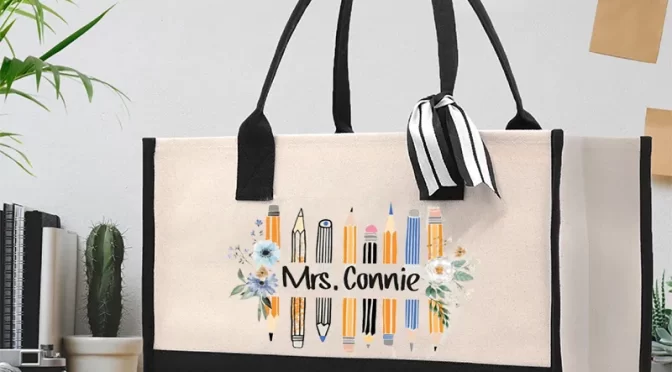
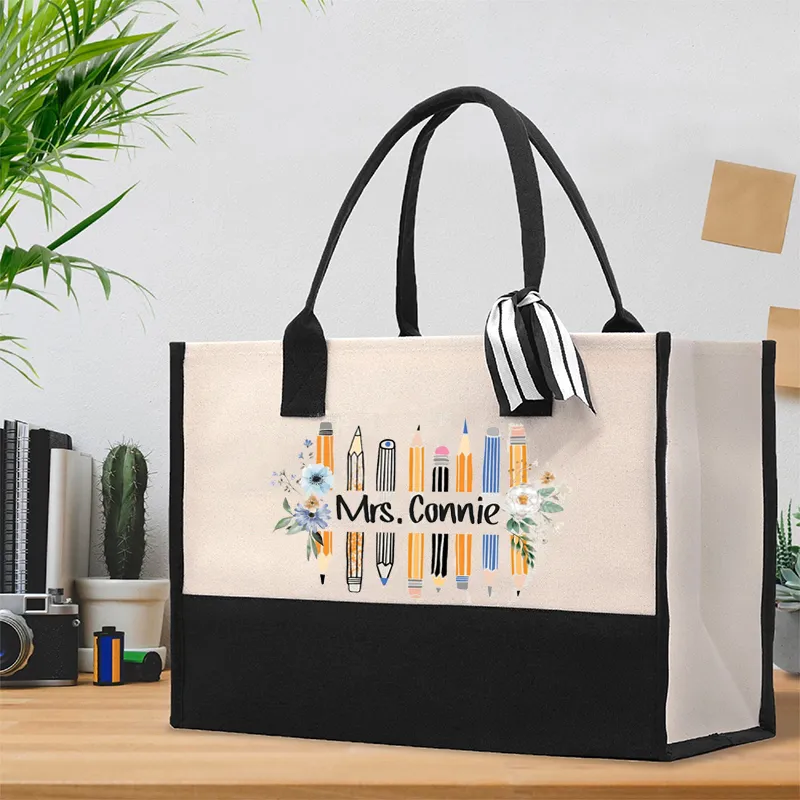
- Accessorize strategically: Accessories can transform a simple outfit and make it look more polished. Having a good bag is important to carry everything you need for a day teaching and even carrying your lunch so getting a sturdy and fashionable teachers bag is a must, Invest in a few statement accessories, such as a belt, a watch, or a statement necklace, to elevate your professional look without breaking the bank.
By being mindful of your budget and exploring different shopping options, you can build a professional wardrobe without spending a fortune.
Creating a Professional Wardrobe for a Teacher
Building a professional wardrobe requires careful planning and consideration. Here are some steps to help you create a professional wardrobe:
- Assess your current wardrobe: Begin by assessing your current wardrobe and identifying any gaps or items that need to be replaced. Take note of the basics that you already have, such as blouses, trousers, and skirts.
- Invest in essentials: Start by investing in essential items that form the foundation of your wardrobe. These may include a tailored blazer, a classic white blouse, a pair of well-fitting trousers, and a knee-length skirt. Focus on quality rather than quantity.
- Mix and match: Opt for pieces that can be easily mixed and matched to create different outfits. This allows you to maximize your wardrobe and create a variety of looks without needing a large number of items.
- Consider your personal style: While it is important to dress professionally, it is also important to embrace your personal style. Choose clothing that reflects your personality and makes you feel confident and comfortable.
- Organize your wardrobe: Keep your wardrobe organized and clutter-free. Arrange your clothing by category and color to make it easier to find what you need each morning. Regularly declutter and donate items that you no longer wear.
By following these steps, you can create a professional wardrobe that is tailored to your personal style and meets the requirements of your job as a teacher.
A fun education in finance for your family.
Financial education is becoming increasingly important in our lives. With the rise of online banking, investments, and other financial instruments, it’s more important than ever to understand the basics of money management. Financial education can help us make better decisions about our finances, save money, and even build wealth. In this blog post, we’ll explore what financial education is, strategies for educating yourself, tips for taking control of your finances, and the best tools for financial education.
Financial education is the process of obtaining knowledge about financial matters. It can include understanding how money works, how to save money, how to invest, and how to manage debt. It can also involve learning about budgeting, taxes, and retirement planning. Financial education is important for everyone, regardless of their income level or financial situation. It can help us make better decisions about our finances and put us in a better position to build wealth.
Financial education can come in many forms. It can be taught in schools, at home, or even through online courses. It can be as simple as reading a book or article about financial topics or as complex as attending a seminar or taking a college course. The important thing is that you make an effort to educate yourself about financial matters.
Financial education strategies
When it comes to financial education, there are several strategies you can use to gain knowledge. Here are some of the most popular strategies:
• Read books and articles about personal finance: There are countless books and articles about financial topics that can help you understand how money works and how to manage your finances.
• Attend seminars and workshops: If you can find a seminar or workshop about financial topics, this can be a great way to learn more about money management.
• Take a course: There are many online courses available that can help you gain knowledge about financial matters.
• Talk to a financial advisor: A financial advisor can provide valuable advice and insight into personal finance and money management.
• Follow financial blogs and podcasts: There are many blogs and podcasts dedicated to financial topics that can provide valuable information.
By using a combination of these strategies, you can gain a better understanding of financial matters.
The best fun finance education tools
When it comes to financial education, there are many tools available that can help you gain knowledge and take control of your finances.
I recently came across the mortgage calculator website when looking for something fun and educational for a younger member of my family to play. I love that they have a wide range of money games, which means that kids (or adults) can play whilst getting themselves up to speed with all things finance at the same time.
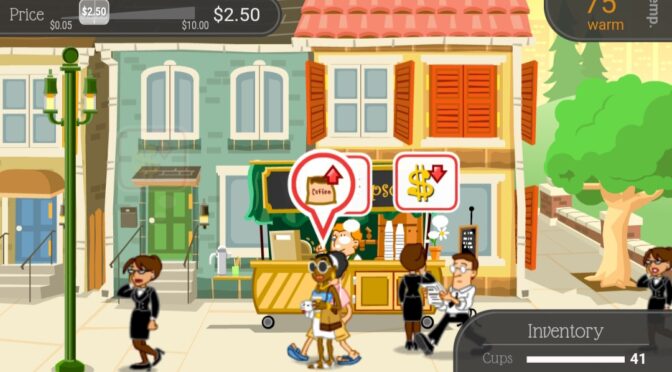
Personally, I’m a gamer so I was at a little bit of as advantage as I knew immediately what games I would like and where my strengths lie. I play Stardew at the moment as i love farming games , this site has some really good looking farm simulation games but I wanted to try something that was a little different to what I’m used to so I started a coffee cart business.

To say I enjoyed the game would be a huge understatement. It’s really simple and doesn’t last too long so you definitely won’t get bored. I struggled in the start as my focus was making money when I should have concentrated on building my reputation, but I found my sweet spot about mid way through the game (day 7) and was turning a nice profit, I was happy with my coffee recipe and my reputation was soaring.

Without turning this whole post into a coffee shop game review I will just say that there are so many games on the site focused around business and finance and as I said before, I think it’s a great way to introduce finance to children or if you’re anything like me a fun way to pass some time.
Other ways that you can look to educate yourselves or younger members of your family include:
• Books: Books are a great way to learn about financial topics. There are many books available for a variety of different financial topics.
• Courses: Online courses can be a great way to gain knowledge about financial topics. There are many courses available for a variety of different financial topics.
• Websites: There are many websites dedicated to financial topics that can provide valuable information.
• Apps: There are many apps available that can help you track your spending, set goals, and manage your finances.
• Videos: Watching videos about financial topics can be a great way to learn more about money management.
• Podcasts: Listening to podcasts about financial topics can be a great way to stay up to date on financial news and gain insights into money management.
By using these tools, you can gain a better understanding of financial matters and become more financially literate.
Financial education tips
When it comes to financial education, there are several tips you can use to help you gain knowledge and take control of your finances. Here are some of the most important tips:
• Set goals: Setting financial goals can help you stay focused and motivated.
• Make a budget: Creating a budget can help you track your spending and ensure that you are living within your means.
• Track your progress: Tracking your progress can help you stay on track and ensure that you are meeting your goals.
• Practice: Practicing your financial skills can help you become more comfortable with money and increase your financial knowledge.
• Automate: Automating your finances can help you save time and stay on top of your finances.
By following these tips, you can gain a better understanding of financial matters and become more financially literate.
To sum up…
Financial education is essential for anyone who wants to take control of their finances and build wealth. It can come in many forms, such as books, courses, websites, apps, videos, and podcasts. By taking the time to educate yourself about financial matters, you can gain a better understanding of how money works and make better decisions about your finances. So, if you want to discover the exciting world of financial education, start exploring the tools and strategies mentioned above!