

Learning does not stop at the classroom door. While formal education provides essential knowledge and skills, fostering a lifelong love of learning requires experiences that go beyond textbooks and exams. Encouraging children to explore, question, and discover in their own time can ignite curiosity, creativity, and resilience that lasts well into adulthood.
Cultivating Curiosity at Home
Parents and caregivers play a vital role in nurturing a love of learning. Simple activities, such as reading together, discussing current events, or exploring nature, can spark a child’s curiosity. Encouraging questions and valuing their answers helps children feel confident in their thinking. For example, a trip to a local museum or science centre can turn a casual outing into an exciting opportunity to investigate and learn. Creating a home environment where learning is celebrated rather than pressured makes it more enjoyable and engaging.
Learning Through Play and Exploration
Play is a powerful learning tool, especially for younger children. Educational toys, puzzles, and creative activities allow children to experiment, problem-solve, and develop critical thinking skills. Outdoor play, whether in parks, gardens, or forests, offers opportunities to learn about the natural world, develop physical coordination, and work collaboratively with others. By framing play as an opportunity for discovery, children begin to see learning as a fun and ongoing adventure rather than a task.
Encouraging Passion Projects
Giving children the freedom to pursue their interests independently helps foster intrinsic motivation. Whether it’s building model aeroplanes, painting, coding, or writing stories, passion projects allow children to take ownership of their learning. Supporting these projects by providing resources, guidance, or simply enthusiasm shows children that their interests are valued. Celebrating achievements, however small, reinforces their sense of accomplishment and encourages them to continue exploring.
Integrating Technology Wisely
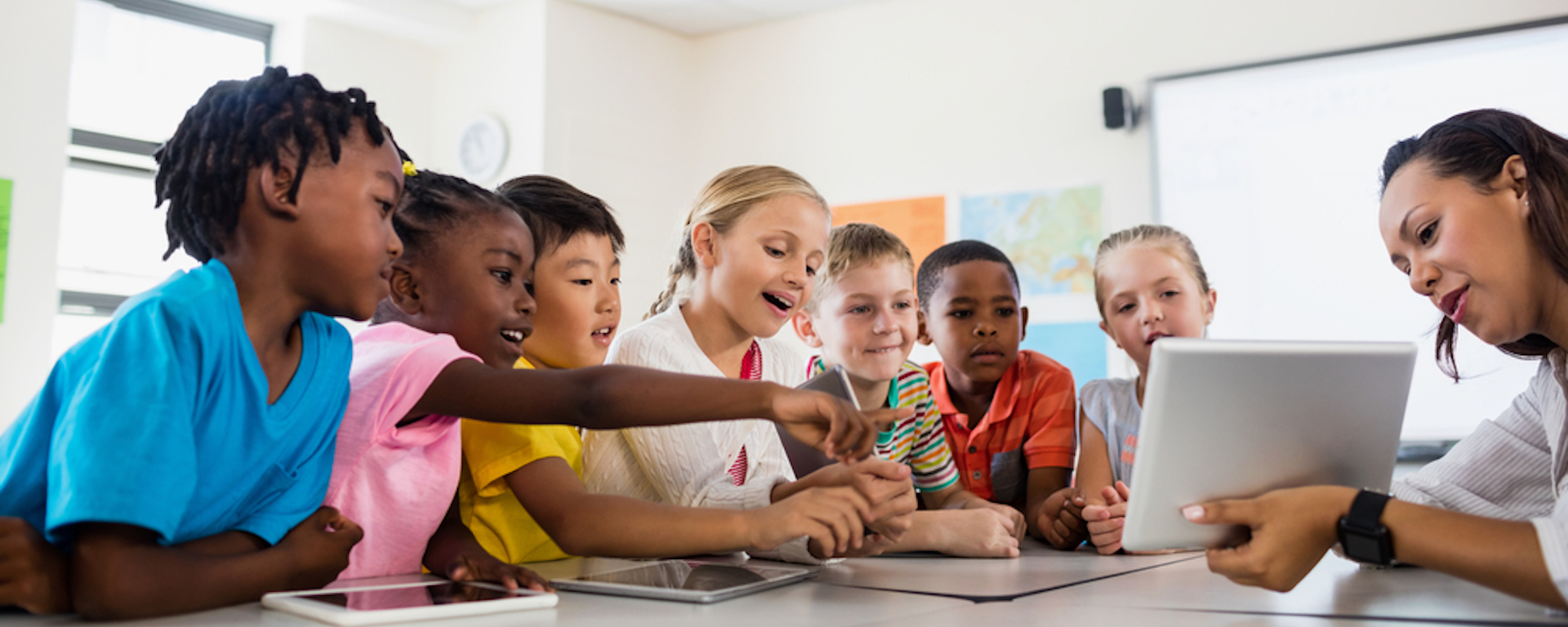
Technology can be a useful tool for extending knowledge beyond the classroom. Educational apps, online courses, and virtual tours can introduce children to subjects they might not encounter at school. However, it’s important to balance screen time with hands-on experiences. Encouraging children to apply what they learn digitally in the real world—such as conducting experiments, creating art, or writing about discoveries—helps consolidate knowledge and maintains a tangible connection to their learning.
Building a Lifelong Mindset
Ultimately, the goal is to cultivate a mindset where learning is seen as enjoyable, flexible, and personally rewarding. Celebrating curiosity, encouraging reflection, and providing opportunities for exploration help children develop confidence in their abilities. When children understand that learning extends beyond exams and grades, they are more likely to engage deeply with the world around them, embrace challenges, and enjoy the journey of discovery throughout life.
By nurturing curiosity, supporting exploration, and celebrating achievements outside the classroom, we can help children develop a genuine love of education—one that grows with them and shapes them into confident, inquisitive, and adaptable individuals.